Rohingya Women and Girls Empowerment Project
The Rohingya community faces a severe education crisis, particularly affecting women and girls. More than 400,000 Rohingya school-aged children are denied access to formal education, including over 250,000 girls. Decades of discrimination, displacement, and movement restrictions have left many Rohingya children without opportunities to learn, develop skills, and build a secure future. In both Rakhine State, Myanmar, and the refugee camps of Cox’s Bazar, Bangladesh, girls face significant barriers to education, including poverty, limited access to schools, cultural norms that prioritize boys’ education, and deeply rooted gender inequality.
The consequences of educational exclusion are far-reaching. Girls who are unable to attend school are at greater risk of child marriage, human trafficking, gender-based violence, domestic abuse, and economic dependency. Human rights reports have documented that Rohingya girls face a heightened risk of being deprived of education due to discriminatory policies and entrenched social norms. In the Sittwe IDP camps, where more than 97,000 Rohingya have been confined since 2012, access to education remains extremely limited, further perpetuating cycles of poverty, marginalization, and vulnerability.
Our organization is addressing this challenge by focusing on the educational exclusion and disempowerment of Rohingya women and girls. We provide accessible learning opportunities, educational resources, leadership development programs, and community awareness initiatives that encourage families to support girls’ education. We also create safe spaces where women and girls can gain knowledge, build confidence, and develop practical skills that improve their future opportunities.
We have chosen this focus because education is one of the most effective tools for breaking cycles of poverty, discrimination, and exclusion. Educated women are better equipped to protect their rights, support their families, participate in decision-making, and contribute to community development. By increasing educational access and empowering Rohingya women and girls with knowledge and leadership skills, we aim to foster long-term positive change and help build a stronger, more resilient future for the Rohingya community.
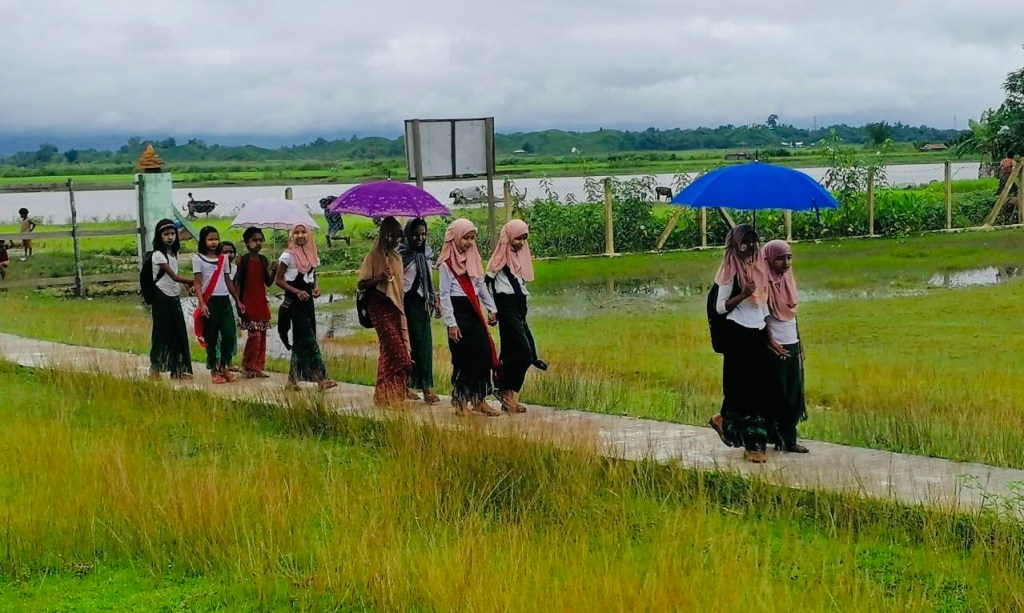
Our Objectives
- To promote gender equality within the Rohingya community in Myanmar and Bangladesh
- To provide mental and financial support to underprivileged Rohingya women and girls in their pursuit of education
- To provide community counselling workshops that address the barriers of women and girls such as financial difficulties, early marriage, cultural norms
- To educate and empower Rohingya women and girls and combat child labour, early marriage and gender-based violence
Buthidaung Township, Rakhine State, Myanmar
In June, 2021, our team conducted a survey to understand the situation of Rohingya education in four villages: Sein Hnyin Pyin, Gudar Pyin, Phoe Kaung Chaung and Tha Peik Taung in Buthidaung Township, Rakhine State. We identified that more than 90% of under-18 Rohingya girls do not go to schools while 30% of Rohingya boys go to schools. Most of those 10% of Rohingya girls who go to schools, drop off in the secondary classes for several reasons including financial and cultural barriers.

Literacy Class for Rohingya Women and Girls
Between 2021-2025, we have supported 1,000 Rohingya women and girls in Myanmar and Bangladesh, accessing them at the government-run school in a remote area in Buthidaung Township, Rakhine State, Myanmar. They are those women and girls who never went or were stopped going to school because of financial and cultural barriers. Through experienced community-based educators, participants will receive instruction in reading, writing, and spoken communication in Burmese and English.
“I feel that my parents prioritize my brothers over me due to my gender, despite my unique talents and capabilities. I aspire to become an activist like Wai Wai Nu, advocating for women’s rights and empowering women.”
-Kismotara, a Rohingya girl from Buthidaung Township
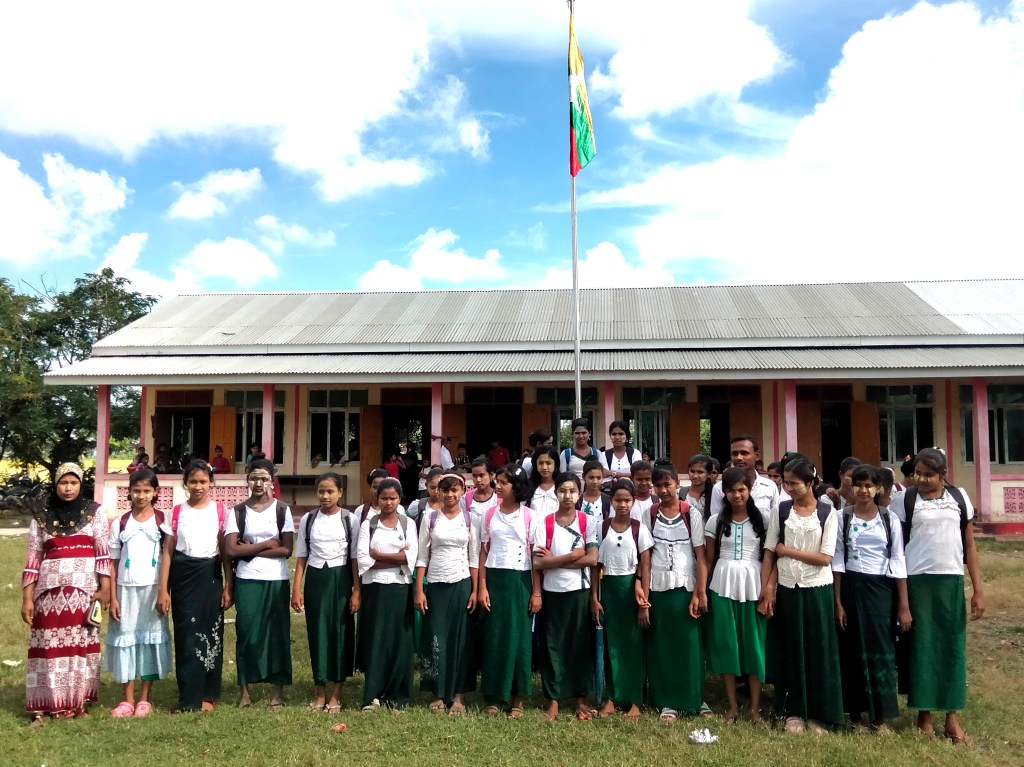
Capacity-Building Training
The project provides capacity-building training for women and girls on human rights, women’s rights, gender equality, leadership, and management. Developed in the Rohingya language and successfully implemented within the community, these interactive sessions will strengthen participants’ knowledge, confidence, leadership skills, and civic engagement, enabling them to become active contributors to their families and communities.
Sittwe IDP Camps, Rakhine State, Myanmar
In April, 2023, we extended our program in Internally Displaced Persons (IDP) camps in Sittwe, Rakhine State, Myanmar. Currently, we are supporting 50 young Rohingya girls to attend the government-run school and tuition class in their area.
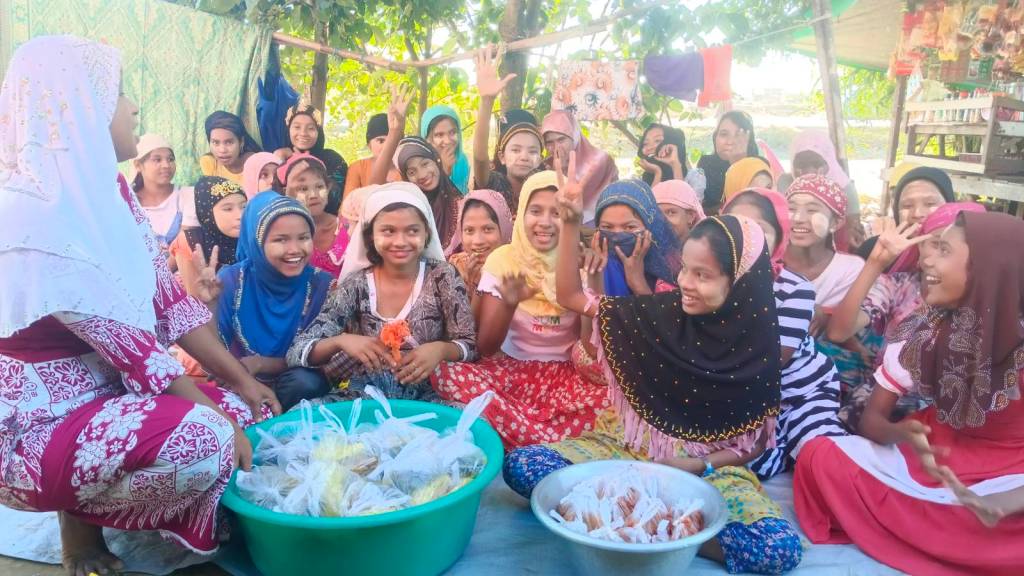
Community Parenting Workshops
Parenting has two sides_ good parenting and bad parenting. In a community like Rohingya that has been rooted with patriarchy and cultural beliefs, good or positive parenting is crucial to make a change in the community. In this pursuit, we provide community parenting workshops for the community members in Myanmar and Bangladesh, including parents, religious leaders, teachers, and other influential community members. Workshops will focus on positive parenting, shared parental responsibility, gender equality, girls’ education, and the prevention of gender-based violence.
By engaging both men and women, the initiative will promote supportive family environments and positive attitudes toward the education, leadership, and empowerment of women and girls, encouraging greater community support for gender equality and women’s participation in society.
“Previously, I was unaware of the rights of girls and women. Attending the positive parenting sessions enlightened me about the significance of women’s role in society. Empowering women necessitates educating our daughters with the same attention as we do our sons. This is of utmost importance for our community.”
-Abul Hashim, a Rohingya father from Sittwe IDP Camp
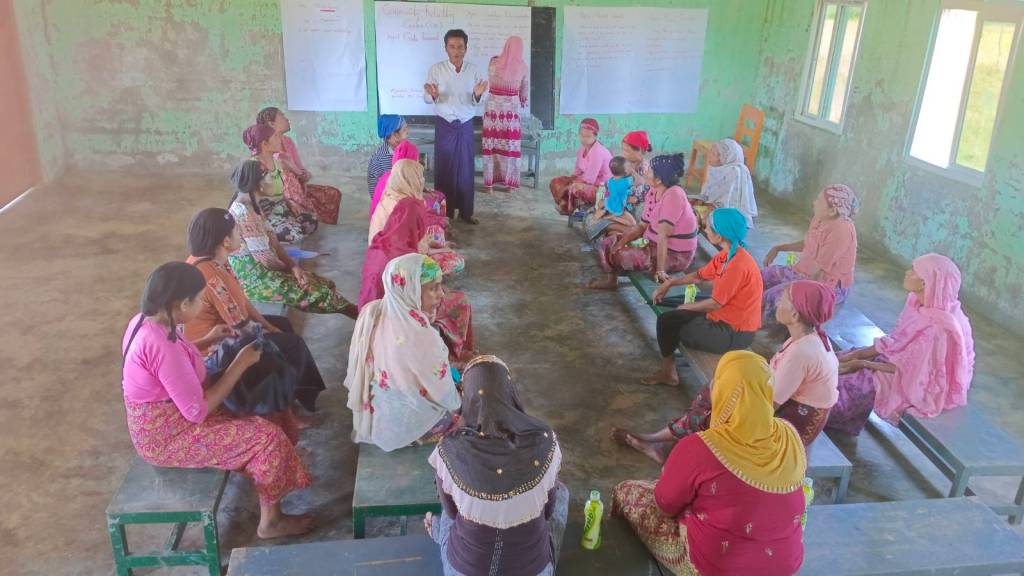
During the sessions, we identified that Rohingya parents are interested in supporting their girls to go to school. They asked questions and engaged each other during discussion . After sessions, we discovered that Rohingya fathers accompanied their girls going to school and tuition class. We also identified that Rohingya men and women started discussing girls’ education with each other while sitting at shops or at community gatherings.

Cox’s Bazar Refugee Camps, Bangladesh
The project supports Rohingya girls in Cox’s Bazar refugee camps in preparing for the entrance examinations of the Asian University for Women (AUW) in Chattogram, Bangladesh. Participants will receive mentorship, academic coaching, exam preparation support, and educational resources to strengthen their chances of admission.
Over the past three years, the program has successfully supported more than 100 Rohingya girls in gaining admission to AUW, enabling them to pursue higher education and leadership opportunities. Through our strong partnership with the university’s admissions department, the project will continue expanding access to higher education and helping young women achieve their academic and professional goals.
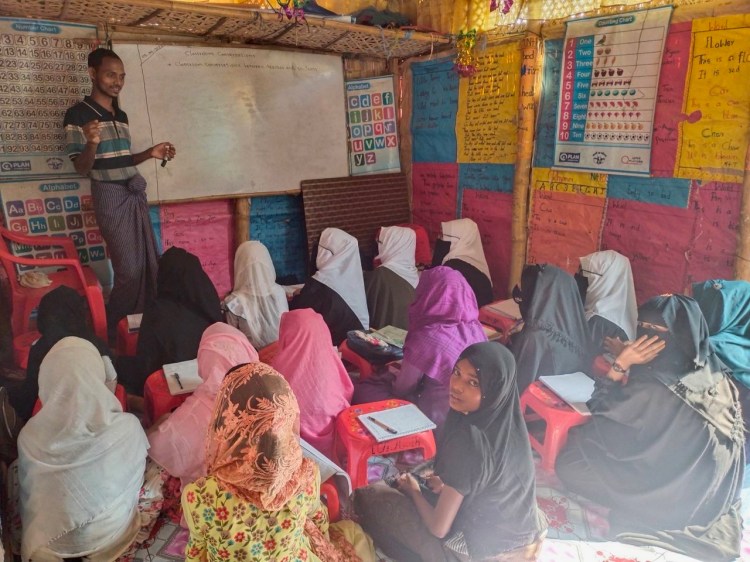
This year, we are supporting 50 young Rohingya girls in preparing for the test of the upcoming admission at Asian University for Women.
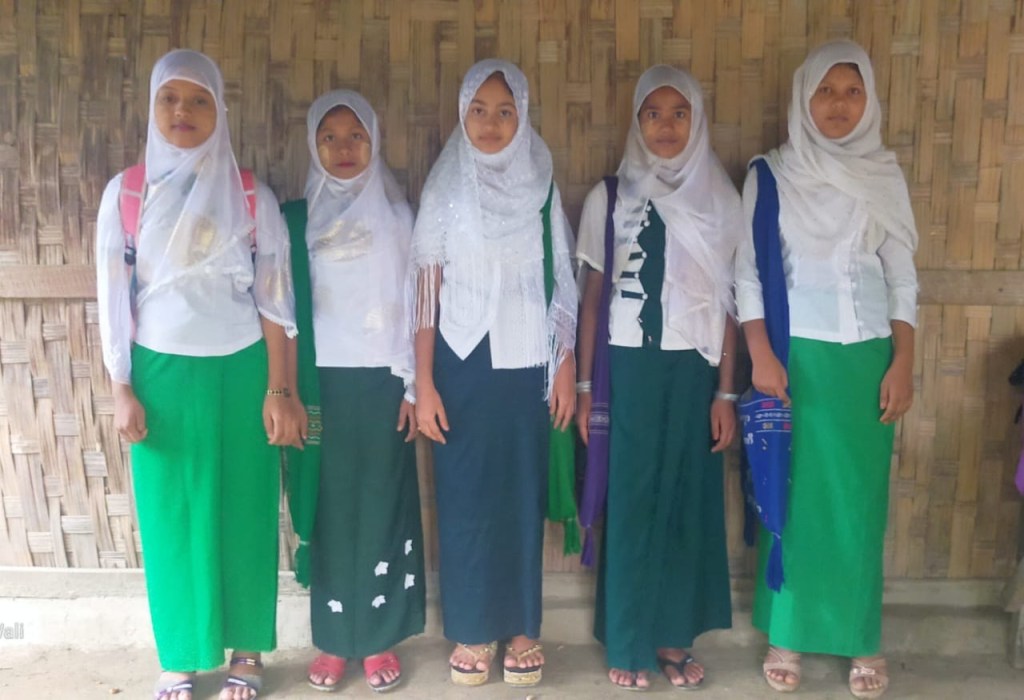
“I completed my secondary school in Myanmar. I have been residing in the refugee camp in Cox’s Bazar for six years. As a refugee, I am not permitted to attend Bangladeshi government-run schools or universities. My aspiration is to pursue higher education at a university and became a doctor in order to serve my community, with a special focus on assisting children and women.”
-Sumaiya Bibi, a girl from Kutupalong refugee camp

