Rohingya Language Preservation Project
Rohingya people have faced state-sponsored systematic persecution in Myanmar. To eliminate the population from the country, the Myanmar military government has undertaken the policies of cultural and linguistic repression against the community targeting their language and culture. To understand the situation of Rohingya language in the refugee camps, Cox’s Bazar following the latest mass exodus of more than 770,000 Rohingya into Bangladesh, we initiated “Rohingya Language Preservation Project” in 2021.
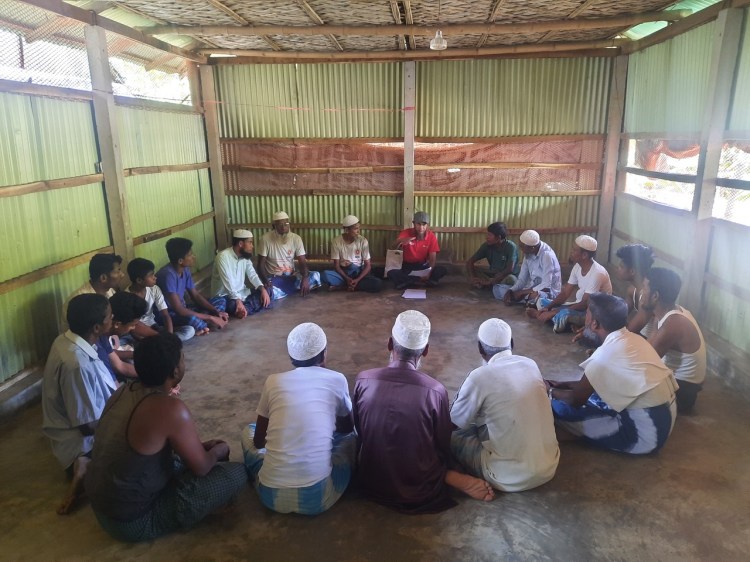
“In my grandparents’ time, the Myanmar government eliminated Rohingya culture and language. In my parents’ time, they deprived Rohingya’s citizenship and political rights. In my time, they started killing and exiling us from our homeland. This is the process of Myanmar’s genocide against Rohingya population.”
-Mohammed Alom, 41 years, a Rohingya research team-member
We recruited 23 staff including an international expert conducted a participatory research study with 282 individual Rohingya refugees both men and women in 33 refugee camps in Cox’s Bazar and 22 clusters on Bhasan Char Island in Bangladesh between July and December 2021.
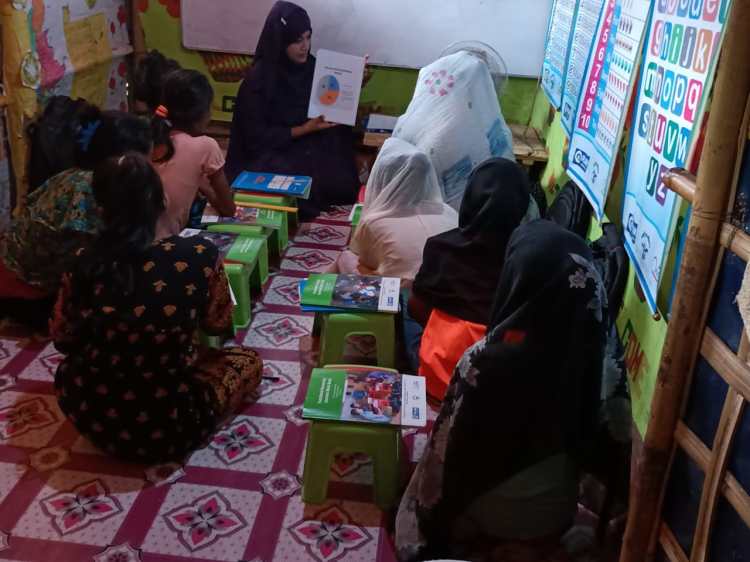
We received some compelling results from the research. On November 6, 2022, we launched the 54-page research report “First They Targeted Our Culture and Language: Threats to Rohingya Language, Culture and Identity in Myanmar and Bangladesh.” High-profile speakers assisted CRC in launching the report, such as Dr. Sasa, the Minister of International Corporation in the cabinet of Myanmar National Unity Government, Mathew Smith, CEO of Fortify Rights and Andrea Gittleman, Program Manager Center for the Prevention of Genocide, US Holocaust Memorial Museum.
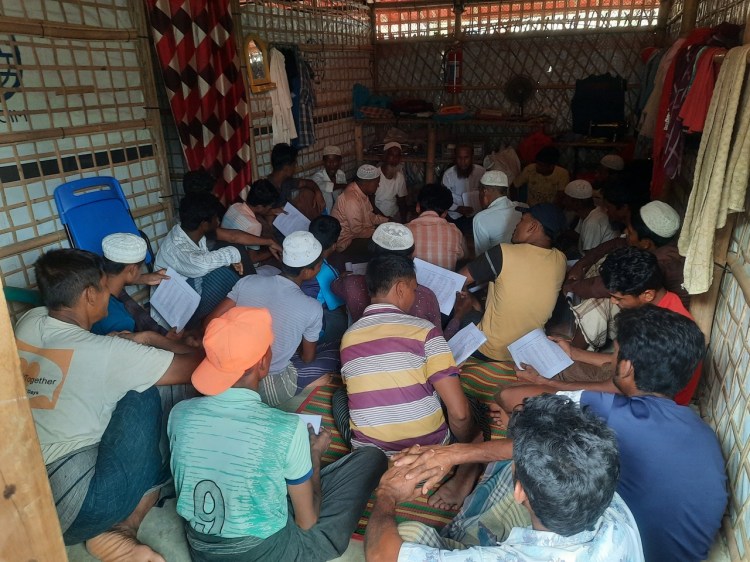
After receiving the research results, we provided community awareness sessions on Rohingya language and culture to more than 4,000 members of the Rohingya refugee community in Cox’s Bazar and on Bhasan Char island in Bangladesh.
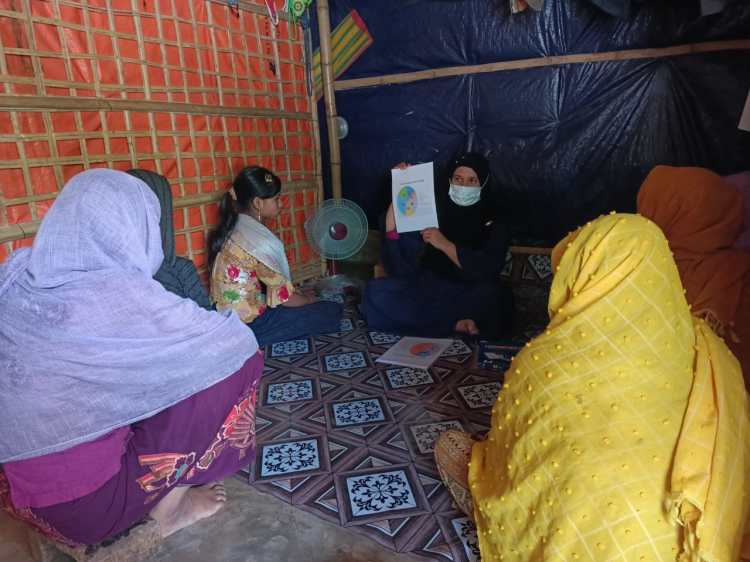
“My family and I have been living in the refugee camps for the last five years. This is the first time someone is doing work related to our culture and language. Preserving our culture and language is more important than having food and rations in the refugee camps.”
-Amir Hussain, a 60-year-old research participant
 COMMUNITY REBUILDING CENTRE